
01
Commercial Office
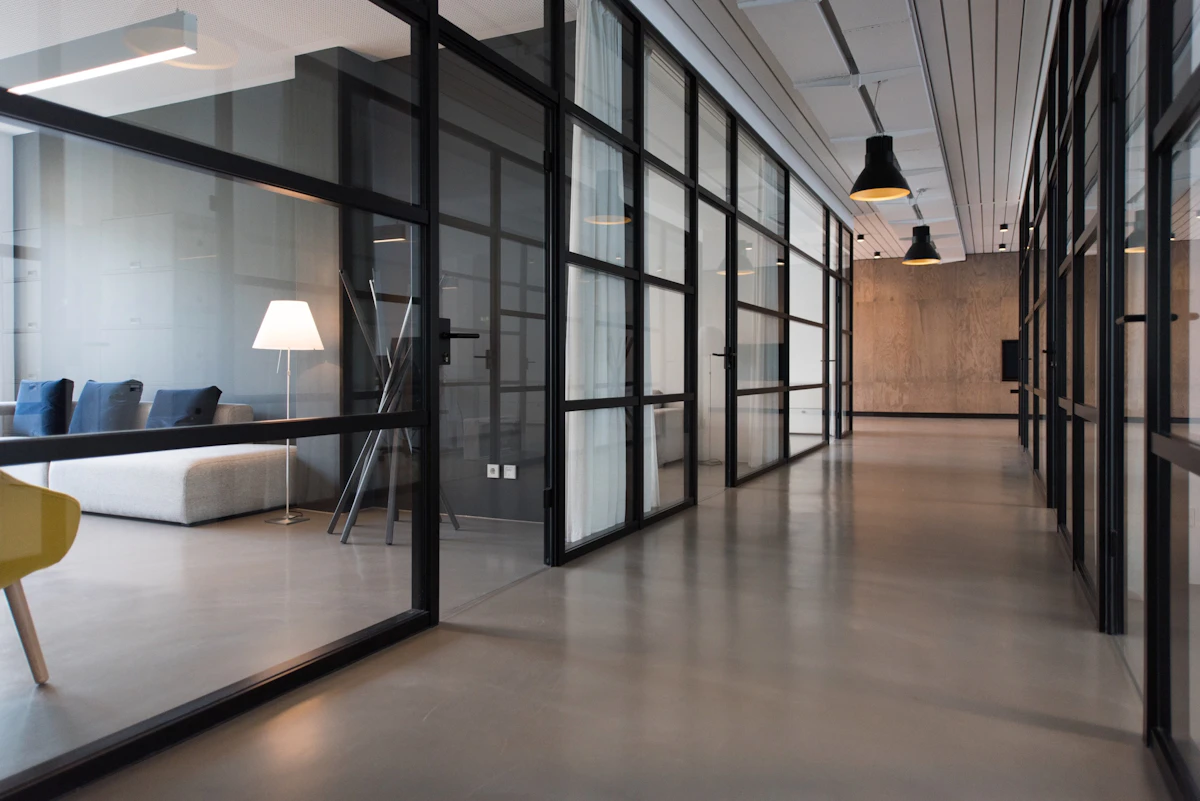
Office work lives or dies on coordination. Mechanical, electrical, and ceiling systems compete for the same plenum, and a conflict found in the field costs a multiple of the same conflict found on paper.
What We Build
Orion takes on commercial and multi-family construction for developers and property owners — with the budget assumptions written down and the schedule risk named before work starts.
Different Constraints
Every market puts different pressure on the budget and schedule. The response stays direct: identify the constraint early and plan around it.
Sequence work around lease milestones.
Keep operations moving through the work.
Put procurement on the critical path.

Markets Served
The work begins by understanding what controls the budget and schedule in each market, then putting those constraints in front of the team early.
Office work lives or dies on coordination. Mechanical, electrical, and ceiling systems compete for the same plenum, and a conflict found in the field costs a multiple of the same conflict found on paper.

Repetition is the whole game. A detail that is slightly wrong in one unit is wrong two hundred times, so unit-type mockups and early trade sequencing carry more weight than they do on a one-off building.

Slab, dock, and clear height drive the schedule. Tilt-wall sequencing and long-lead structural packages get put against the calendar early, because there is no recovering a missed pour window.

Retail runs on an opening date that was set before the drawings were finished. Landlord work letters, tenant criteria, and inspection timing get mapped against that date rather than discovered near it.

Service and dealership space is equipment-driven. Alignment racks and lifts demand tighter slab flatness than a standard commercial pour, and the equipment delivery window rarely moves.

Hospitality carries brand standards, FF&E schedules, and a revenue date. Procurement and long-lead finishes are tracked as schedule items, not as a punch-list afterthought.

Infill work means tight sites, existing conditions that do not match the record drawings, and city review that sets its own pace. Logistics and municipal coordination get planned first, not improvised.
Approach
Budgets carry stated assumptions. Constructability is reviewed, and schedule risk is identified while there is still time to act on it.
One point of accountability manages subcontractors, keeps the work moving, and raises problems early enough for the owner to make an informed decision.
Punch work, documentation, and warranty handoff are tracked through completion so the transition to operations is clear.
Start a Conversation
Send us the drawings. We’ll come back with an honest read on budget, schedule, and fit.
Request a Bid →